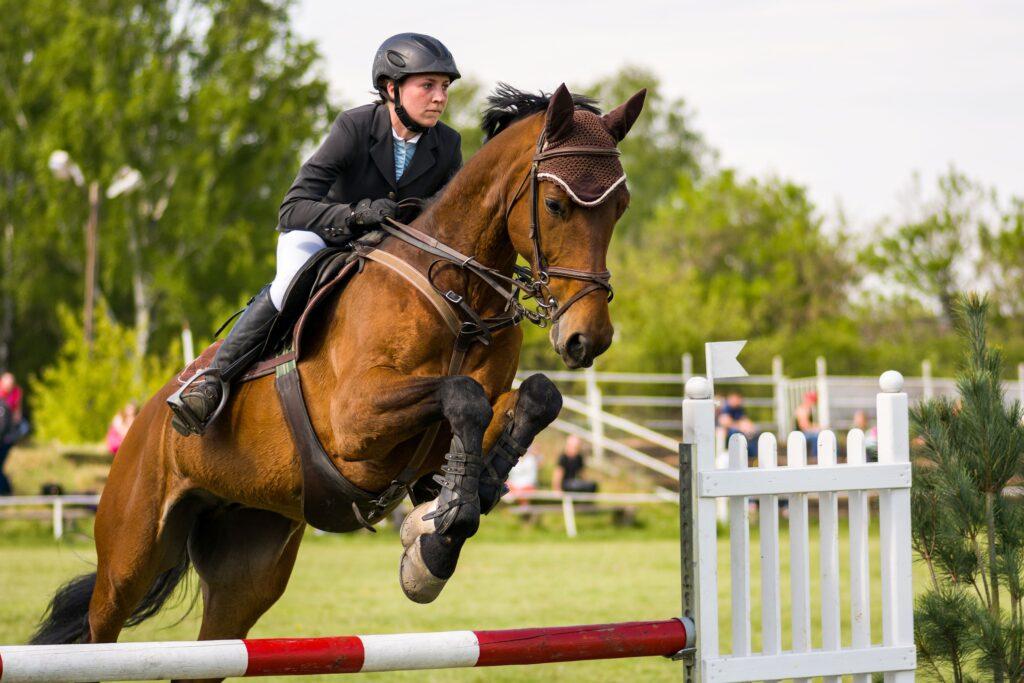
Anyone searching for Jumping Horses for sale faces the same challenge: recognising the traits that define a truly capable partner. Marketing lines blur more than they guide; buyers need criteria, not clichés.
High-performance horses impress through precision under pressure, yet many riders struggle to read the qualities that create reliability, control and athletic capacity. This article isolates those elements and shows what separates raw promise from a proven athlete.
The Core of Balance: Why Stability Determines Everything
Balance is the first filter when evaluating a sport horse. A balanced horse carries itself with minimal tension, organises its legs efficiently and recovers quickly after landing. These abilities influence every stride—especially for riders browsing Jumping Horses for sale, where visual impressions can be misleading.
A horse with natural equilibrium reduces rider effort. It allows cleaner turns, sharper takeoffs and safer landings. Poor balance, in contrast, forces constant correction and increases risk. Buyers often underestimate how much this single trait determines long-term rideability, confidence and success.
Good balance can be observed early: a fluid canter, a neck that seeks forward-down, a hind leg that steps actively under the body. These signals suggest mental stability too. A horse in harmony with itself learns faster—an advantage impossible to train into a fundamentally uncoordinated animal.
Technique Over Raw Power: The Mechanics Behind an Efficient Jump
Technique is the horse’s method—the way it organises its body from approach to landing. For riders checking Jumping Horses for sale, high-quality technique usually matters more than brute strength.
Key elements include:
- a clean, tight front leg
- a round, careful bascule
- an active, upward-engaging hind end
- straightness before and after the fence
These mechanics preserve the horse’s body and build confidence. Poor technique leads to unnecessary effort, hesitation and wear. A technically correct jump looks effortless: minimal ground loss, efficient airtime, immediate readiness for the next stride.
Technique also reflects trainability. A horse that adjusts distances, lifts the shoulder and uses its back actively shows mental presence, not just physical talent. For buyers, this is gold—most weaknesses in technique require years of correction, while natural ability accelerates progress.
Athleticism: The Physical Engine Behind Peak Performance
Athleticism is not a single trait but the sum of strength, elasticity, stamina and coordination. These qualities define how far a horse can progress and how safely it can handle repetitive impact. Anyone comparing Jumping Horses for sale should look beyond height or pedigree and focus on movement mechanics.
A truly athletic horse:
- accelerates without rushing
- decelerates without resistance
- bends through the body
- maintains rhythm under stress
Its canter stays elastic, not flat. Its topline absorbs energy instead of stiffening. Strong horses can jump; athletic horses can jump repeatedly, consistently and safely. This distinction explains why some promising youngsters plateau early while others evolve into top performers.
Conditioning adds a further piece to the puzzle. Athleticism allows flexible adaptation to training loads—vital for preventing injury and supporting growth toward higher classes.
Comparison Table: Key Traits of High-Performance Horses 🐎📊
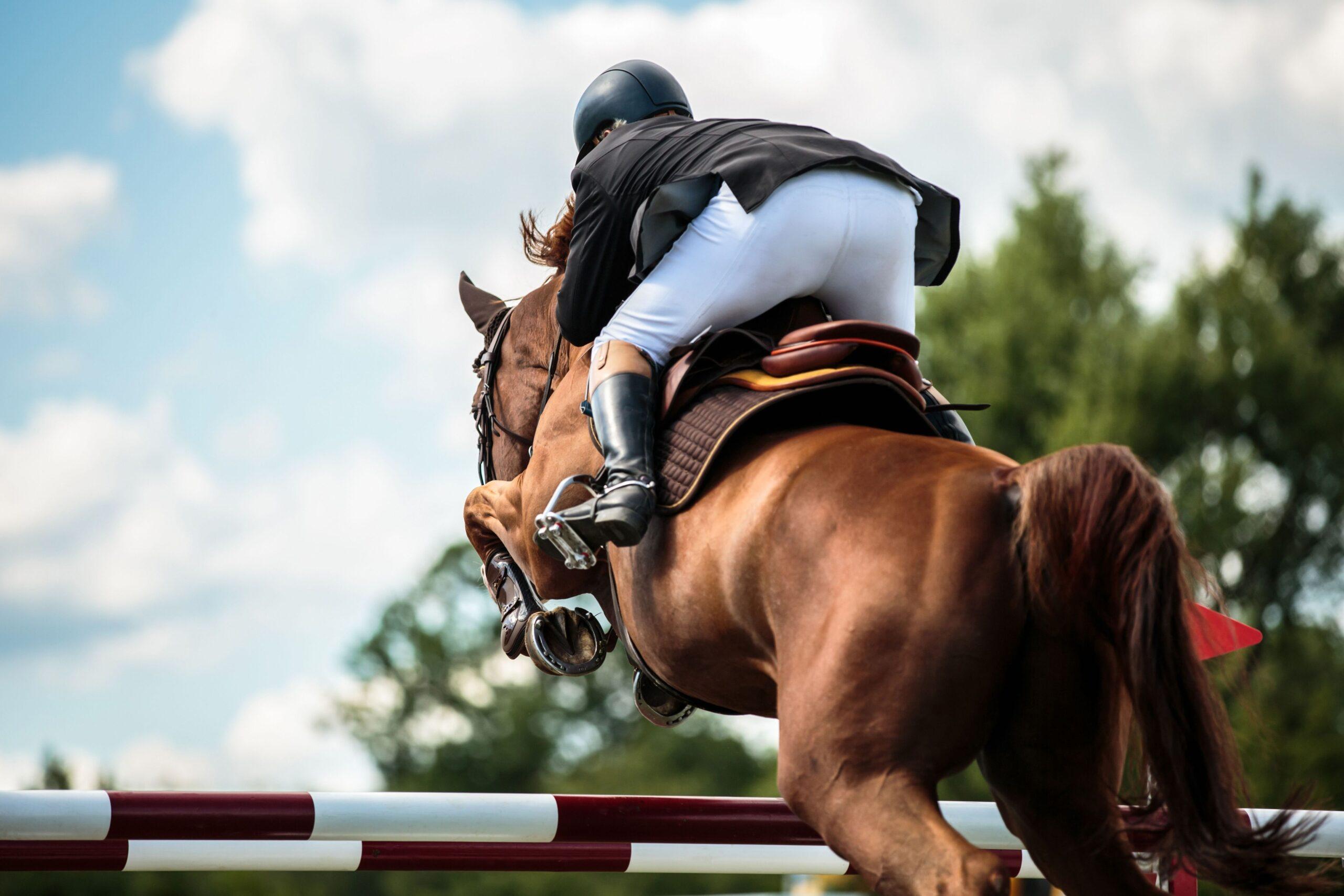
Below is a focused comparison to help buyers evaluate crucial qualities when reviewing Jumping Horses for sale. The table contrasts physical attributes with technical performance traits, giving a clear snapshot of what defines a reliable, athletic partner.
| Physical Attribute 💪 | Technical Performance Trait 🎯 |
| Elastic topline – supports smoother bascule and protects the back | Consistent rhythm – allows accurate distance control between fences |
| Strong hindquarters – generate upward power and quick lift-off | Adjustability – ability to shorten or lengthen stride without tension |
| Balanced conformation – reduces strain on joints and tendons | Straightness on approach – critical for efficient takeoff and safe landings |
| Clean, correct legs – indicate durability for repeated load | Quick reactions – essential for tight turns and recovery after combinations |
| Light, uphill canter – improves control and energy conservation | Carefulness – awareness of rails without becoming overly cautious |
| Flexible shoulder – increases range of motion over the jump | Course focus – mental clarity to stay attentive through the entire round |
| Good muscle symmetry – supports stability and coordination | Reliable landing behavior – faster recovery for turning and rebalancing |
| Agile body mechanics – enable efficient movement on varied footing | Confident forward intent – willingness to move toward the next question |
Mindset: The Invisible Component That Shapes Performance
Mental stability often outweighs physical skills. Courage, focus and quick decision-making determine whether a horse remains reliable under pressure. For buyers filtering through Jumping Horses for sale, character is one of the most decisive—and most overlooked—qualities.
A high-performance mind shows itself in small details:
curiosity instead of tension, forward focus instead of distraction, willingness rather than resistance. These traits influence rideability and training progress far more than many expect.
Confidence can be built, but only if the foundation is present. Horses that panic under pressure rarely become safe partners. Horses that stay attentive and honest transform training into results.
How Training Shapes Natural Talent
Training refines what nature provides. It sharpens reactions, builds strength and establishes communication between horse and rider. Regardless of talent, structured development determines whether the horse reaches its potential.
Good training enhances:
- straightness
- rhythm
- adjustability
- coordination
It also creates resilience—both physical and mental. As buyers search for Jumping Horses for sale, understanding training quality helps them distinguish between a horse that performs out of raw talent and one shaped into reliability through consistent, thoughtful routines.
A well-schooled horse shows elasticity, not tension. It reacts to subtle aids, stays rideable through transitions and moves with confidence. These indicators reveal how effectively the horse will adapt to a new rider and new settings.
A Strong Partner Grows From the Details
High performance is no accident. It results from aligned components—balance, technique, athleticism, mindset and a training system that nurtures all four. Buyers who recognise these elements save themselves frustration and find horses that match their goals.
Strength in Harmony
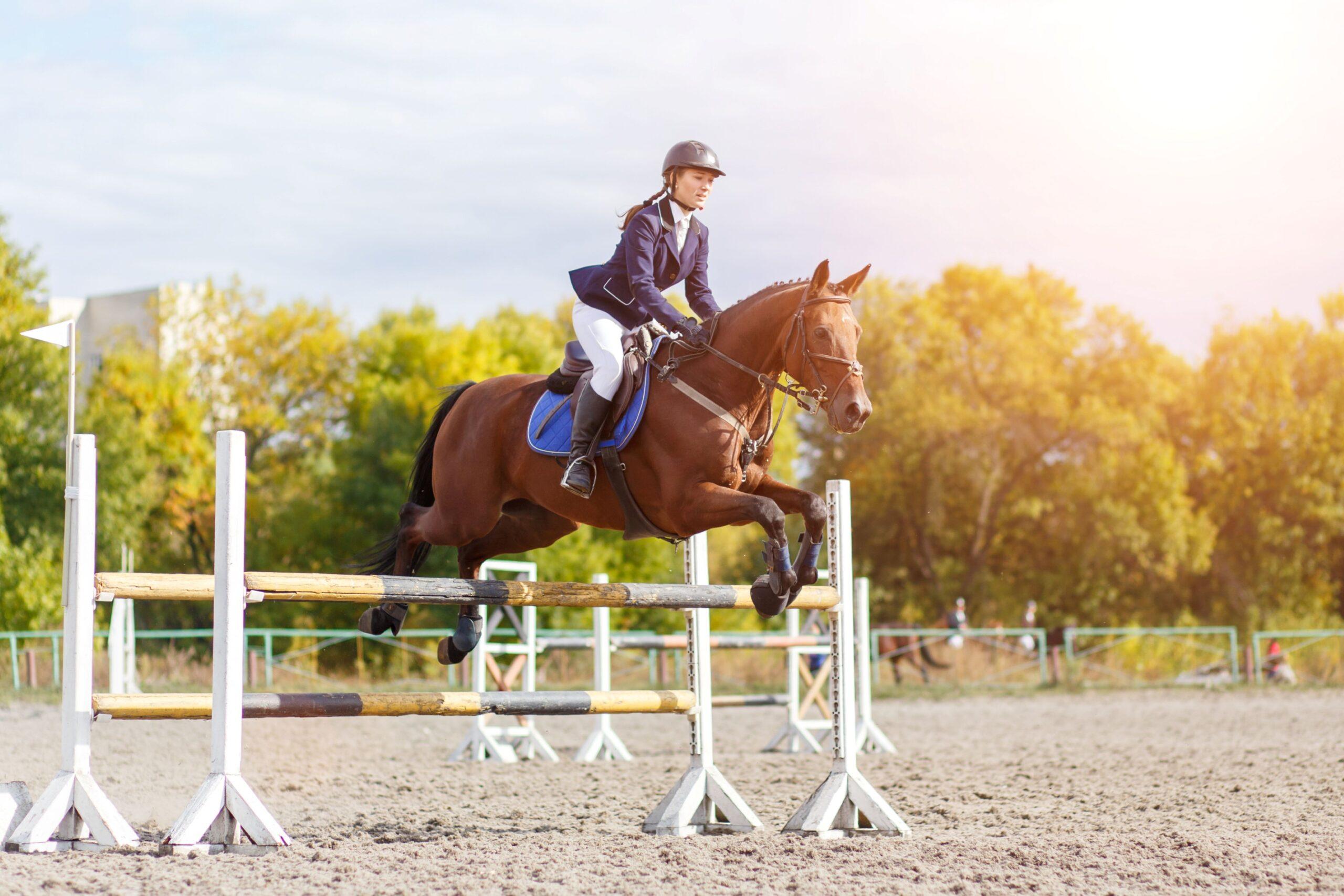
When balance, technique and athleticism come together, they form a partnership built on trust and efficiency. For any rider aiming high, choosing a horse with these qualities is the safest path toward lasting success—on the course and in every training session.
Image source: maciejr23, Marcin Kilarski/Wirestock Creators, skumer, Adobe Stock